
Small class sizes
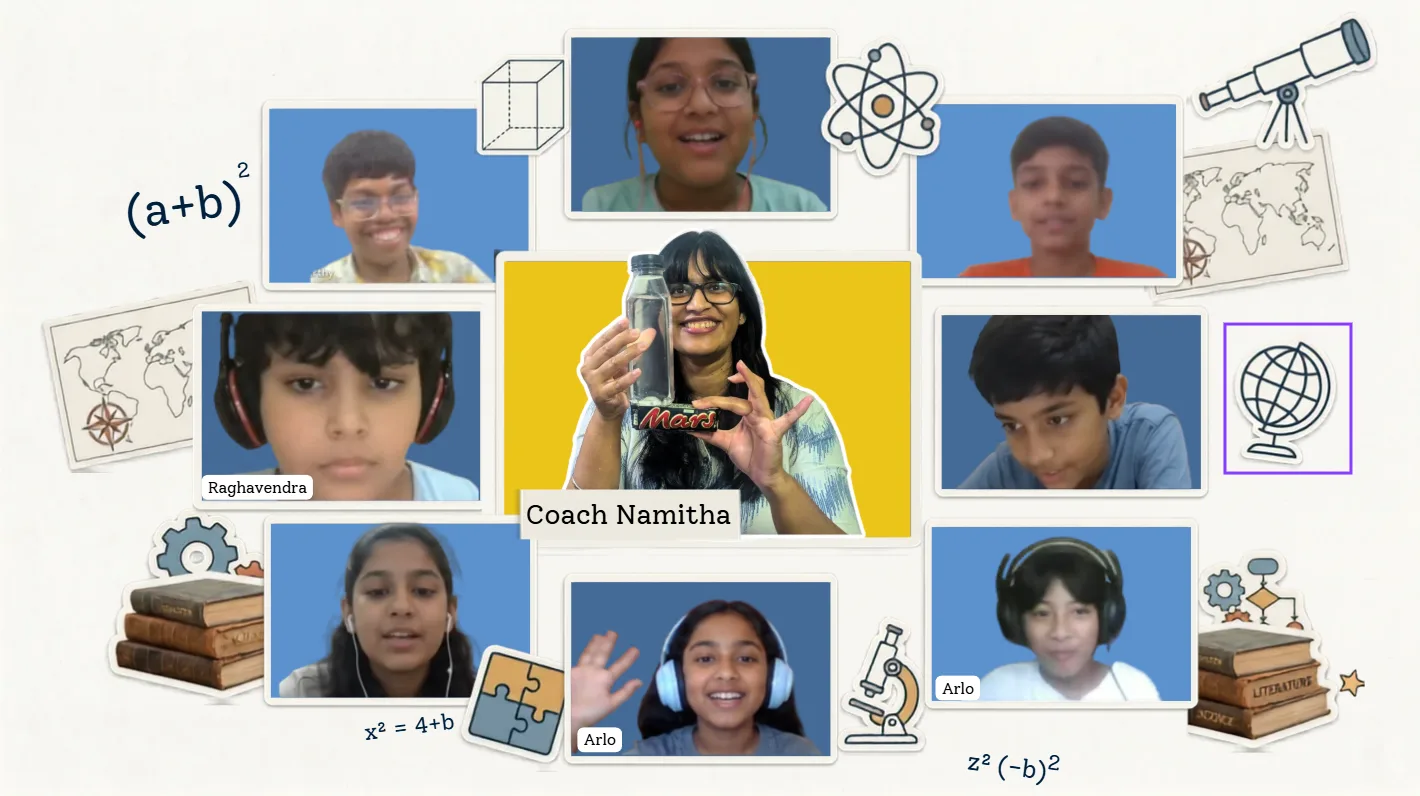
Eight students per coach, so no one slips through.
StayQrious caps every pod at eight children, and we hold to it. It's the single most important design decision we've made. When class sizes go up, the value comes down.
The number isn't arbitrary
Coaches work better with smaller teams
Research on learning is consistent: beyond roughly eight students, one person can't truly set goals for, give honest feedback to, and stay close to each individual.
Eight is the sweet spot. Small enough for every child to be genuinely known, large enough for real collaboration to happen.
What eight makes possible
A room of eight changes everything
The quiet child can't disappear
In a class of thirty, shy children learn to hide. In a pod of eight, every child is visible. The coach notices who's holding back and finds ways to bring them in.
Feedback is real and specific
Feedback is what drives growth, and small pods make specific, personal feedback possible.
Relationships go deep
When eight children work on the same project for weeks, they get close. Parents are often surprised that some of their child's closest friendships are the online ones.
The coach knows your child on day one
And over time, the coach knows them well enough to help them grow.
Why we stay small even though it's harder
Otherwise we can't do what we set out to.
Bigger pods would cost less to run. But the thing that makes this work is the thing we refuse to change. Good schools have lost their way by scaling the one feature that defined them. We won't do that. Even if it means growing slower and making less money in the short term. The purpose comes first.
